Welcome to my local and personal pet care service – providing home visits to your small animals while you are away.
Latest on the Blog:
-
Hamsters – Luna
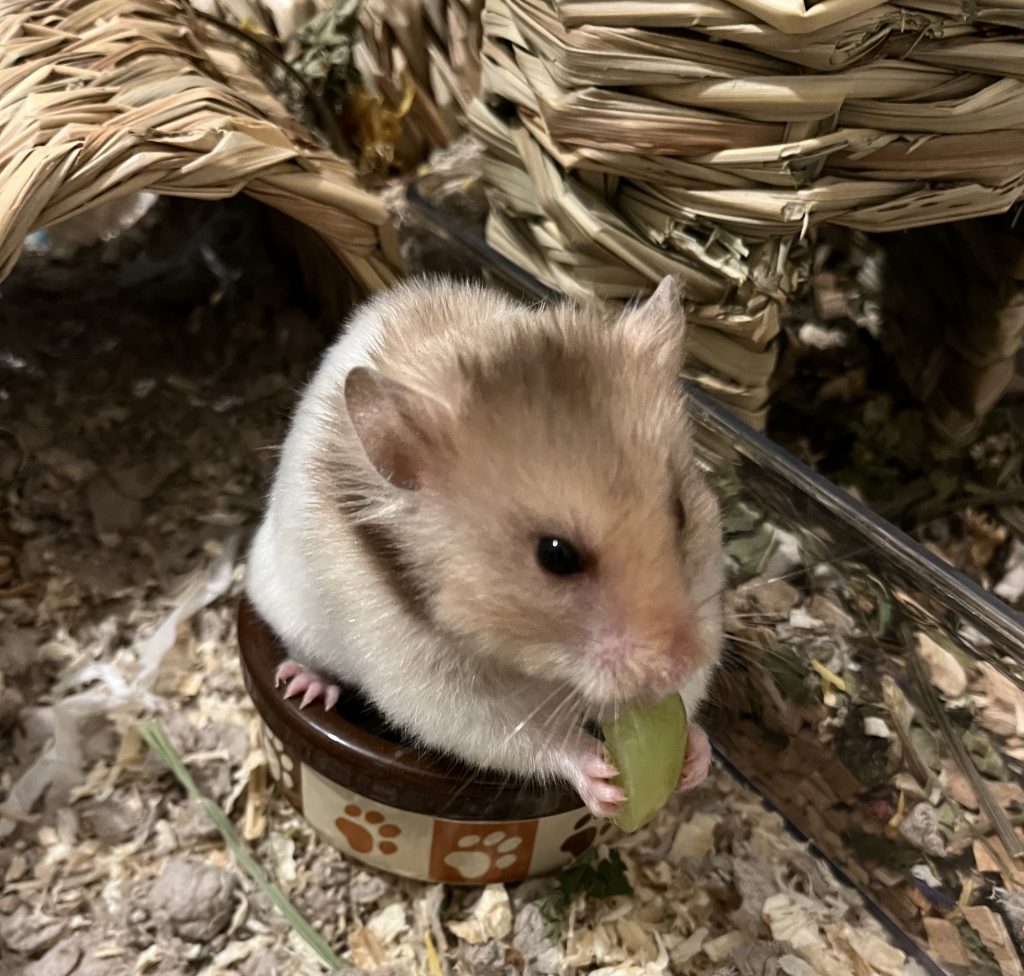
Meet Luna, my littlest critter:
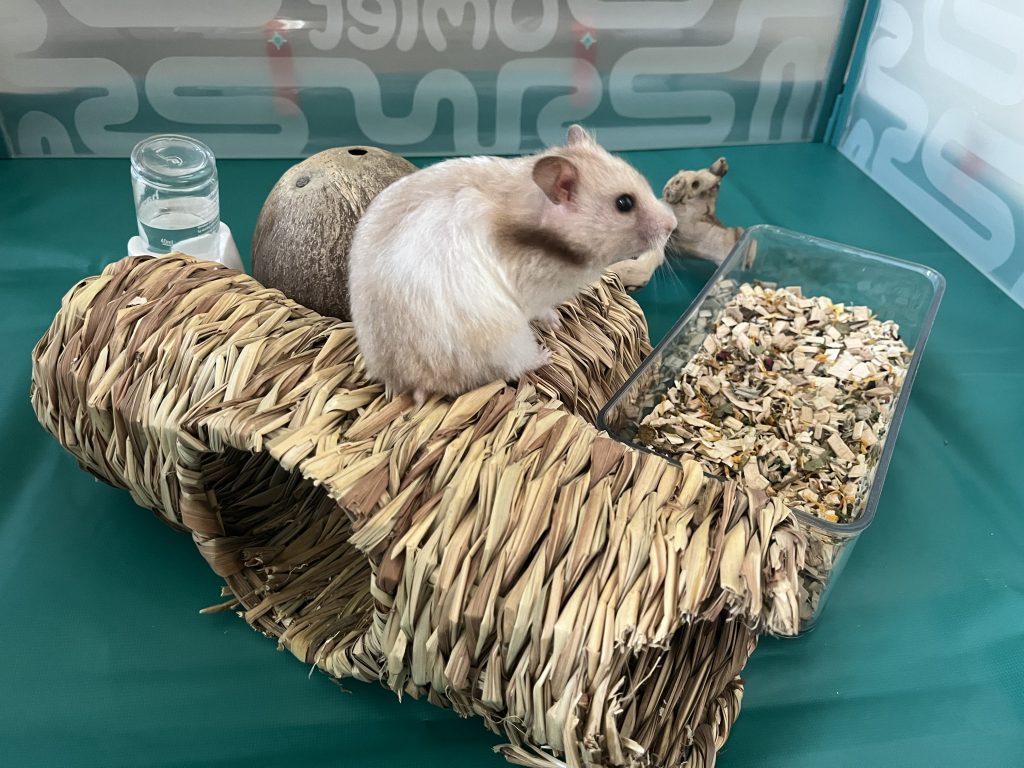
Difficult to get a good snap of Luna, as she seldom sits still! Luna has been part of the family for 1 year and 3 months now, and she’s a super sweet and gentle little lady. I had previously owned many hamsters as pets, right from about the age of 9 – overall I’ve had 10 hamsters before Luna, which included Chinese dwarf, Russian dwarf and then Syrian hamsters.
Tango was my very first Syrian, she was big and docile, ginger and white, and super friendly, and I adored her. She very much started my love for Syrian hamsters, and I have only owned Syrians ever since.

Beautiful Tango When I first moved out of home, and missed having animals around me, it was a Syrian that we got as our first pet, he was called Whisby, named after our local nature park at the time, and he was also super friendly, and fuzzy, he lived over three years, and was really special to us. We moved quite a lot over that time, and he lived with us in Lincoln, Sheffield and South Devon.
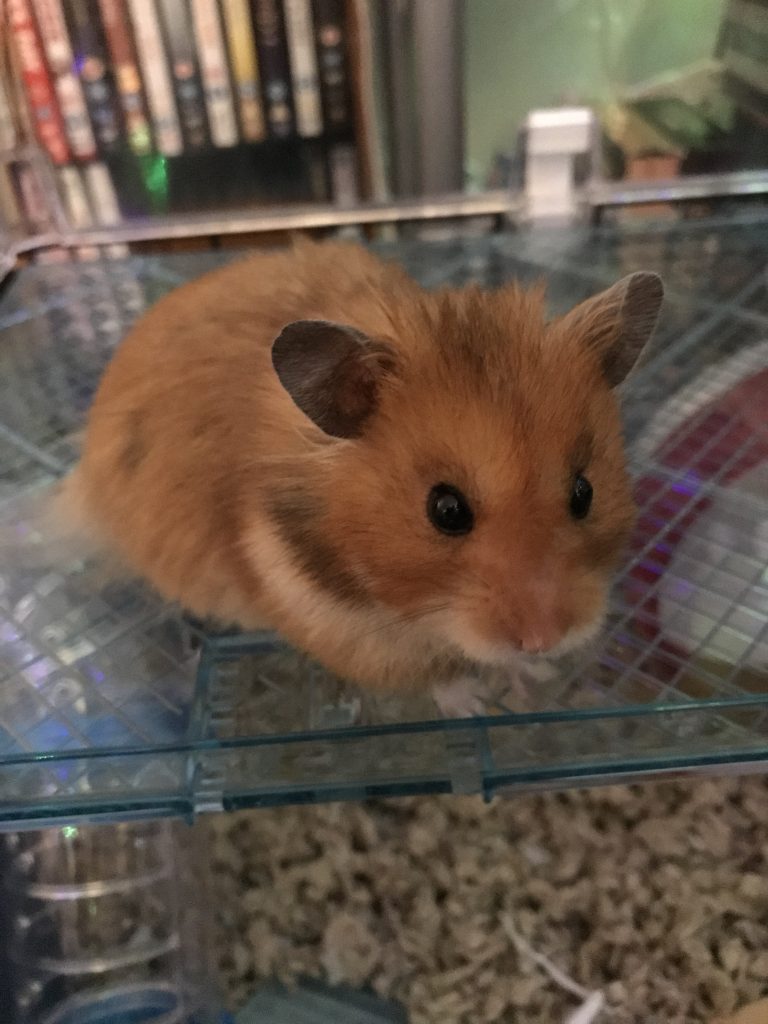
My dear little ‘fuzzbum’ Whisby Now a bit older and living in West Devon, we decided it was about time to have a hamster join the family again, so I started looking around for one which needed rescuing – having always said that if I had another, it would be one which needed a new home!
However, I quickly found that the ethical care for hamsters had changed drastically in the 5 years since we had last owned a hamster! This is very good news for the hamsters themselves, as a previously quite overlooked small animal, it was promising to see much more interest and research going into their care, and making sure they are receiving the proper welfare – as there is always the consideration of whether it is ethical or ‘right’ to keep any animal in a cage.
See lots more helpful information on the Blue Cross website.
I had always tried to do right by my hamsters in the past, with the money, resources, and knowledge that I had at the time, and I was lucky that they seemed to live quite long and fulfilled lives – they were my entire world when I was a child! But it seems I still had a lot to learn in order to own a hamster now, so I set myself the personal challenge of meeting all the needs required to be able to rescue a hamster!
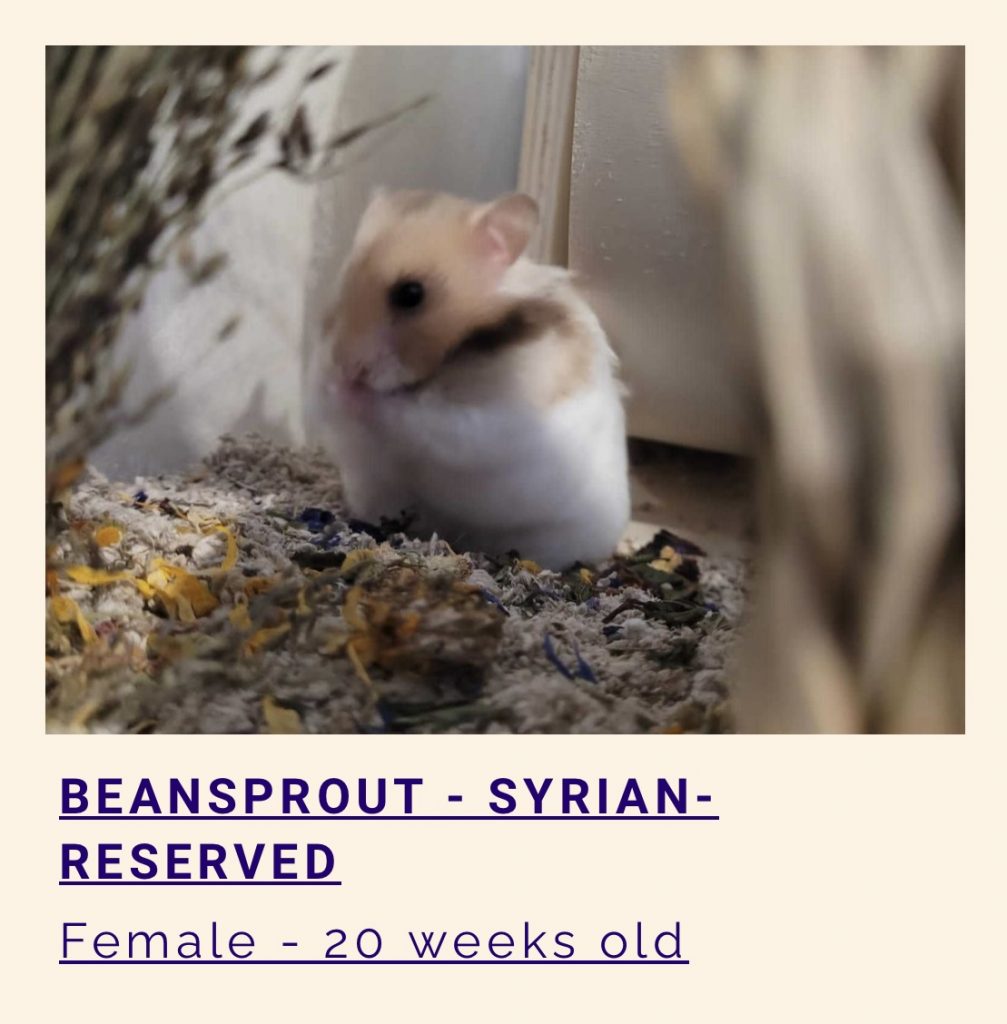
Luna on the RSPCA website – then called Beansprout! Super excited because she was reserved for me! I first found Luna’s brother, ‘Badger’ on the RSPCA ‘Find a Pet’ site, a striking black and white hammy, but he was reserved super fast, so I then had the option of ‘Beansprout’ (now Luna) or her sister ‘Bramble’ – it was a tough choice, I’d have taken both if I could have, but we chose Beansprout, and never looked back.
I worked closely with the RSPCA contact I was liaising with, to make sure I had the best set up I could create for Luna, this did take considerable time and money, despite going for the most affordable options I could have, such as a second hand tank enclosure which I found on Facebook market place and cleaned up thoroughly myself.
Firstly, the minimum ethical enclosure size is now 100cm x 50cm x 50cm – so quite large, and this can be off-putting for people, but does make sense, as hamsters may be small, but are busy and energetic critters, travelling miles in one night, and an exercise wheel doesn’t quite cut it if their cage is just too small and confining.
I liked learning about the various substrates and enrichments too – while I was studying for my Animal Science degree, we had a module on zoo animal enclosures, and had to design one by looking into the chosen animals behaviours and habitats in the wild. This was important in order to create an enclosure setup which would mimic the animals natural home, and provide the suitable enrichment in order for the animal to carry out natural behaviours – ultimately making them more fulfilled and content.
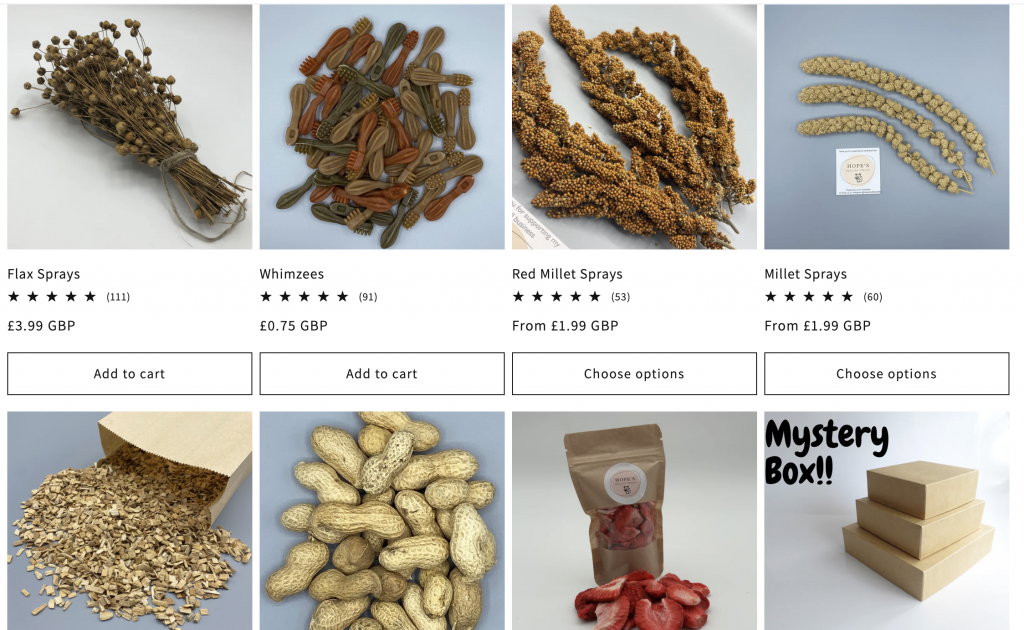
Therefore the information around hamsters made perfect sense to me – they are burrowing animals, so need a deep based enclosure, with a suitable substrate in order to dig in, which will hold their burrows. It is important to select the right materials this is made out of as well, as certain types of wood shaving can be an irritant to the hamster – Chipsi is a good one to use. I found barred cages are actually not ideal, as the hamster can develop stress and boredom behaviours like climbing – however, hamsters are not natural climbers, and can fall and injure themselves, or hurt themselves by chewing obsessively at the bars in an attempt to escape. Providing deeper bedding, more natural substrates, including the sprays and forage, and dig boxes with cork or beech chips, to provide the hamster with cover and variety, felt much more natural for their contentment and wellbeing.I was signposted to look on the ‘Hopes Healthy Treats‘ website, which provides all these things your hamster requires and has been super helpful for sourcing the correct substrates, treats and enrichment items!
I also learnt that exercise balls are not actually a safe or enjoyable experience for a hamster, but that creating or purchasing a secure playpen, to allow for time outside of the enclosure, is much preferable. I bought a much larger exercise wheel as well, as research has now given better guidance on how a too small exercise wheel can actually damage the spine of the animal when running.
The RSPCA suggested I follow some useful Facebook groups for guidance and advice, the ‘Syrian Hamster Care‘ group has been incredibly insightful, and provides many visual infographics and guides about all aspects of ethical hamster care – including how to freeze or bake the natural enrichment items, to ensure they are clean and safe, and will not encourage mite or insect infestations in the enclosure. They also provide enclosure cleaning details and recommend using an F10 solution spray and ‘Kleen Green’ spray, as effective and pet safe options.


Infographics courtesy of the Syrian Hamster Care Facebook Group. The hamster basic care checklist was a great way to get started.
At every stage of this, I was aware that I could have given up, gone to a pet shop and bought any cage or hamster for much cheaper, with less hassle, and without any questions asked. However, that’s not really in the animals best interest is it? So as an animal lover, I was determined to do the right thing, and work to provide the very best set up I could for this little life that was coming to live with me. I found out that unfortunately, a lot of what is sold in our typical pet shops, are not suitable at all for our small critters – whether its a too small or wrong style of enclosure, harmful chew toys which shouldn’t really be ingested by hamsters, unnatural substrates, or hides and exercise wheels that are too small – there’s a lot to be aware of – and I think awareness is really the key! We are a nation of animal lovers, so that was large part of writing this post – to hopefully spark some passion and interest in this surprisingly big world of hamster ethical care, and get more people jumping on this bandwagon to provide the best homes to our pets!
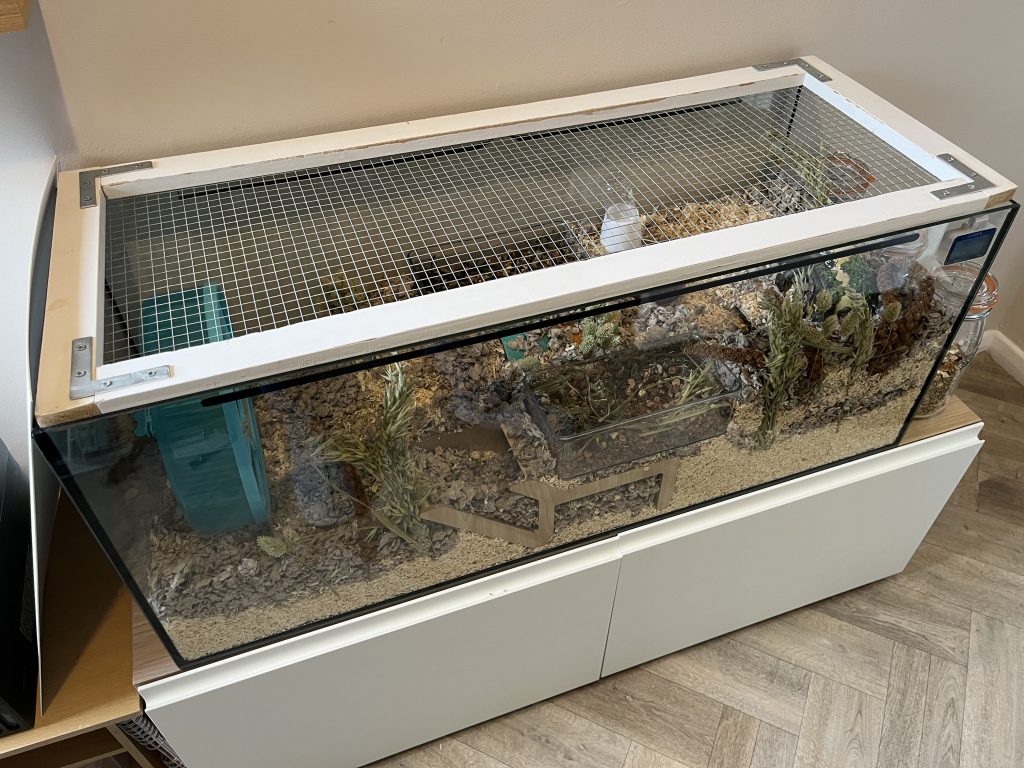
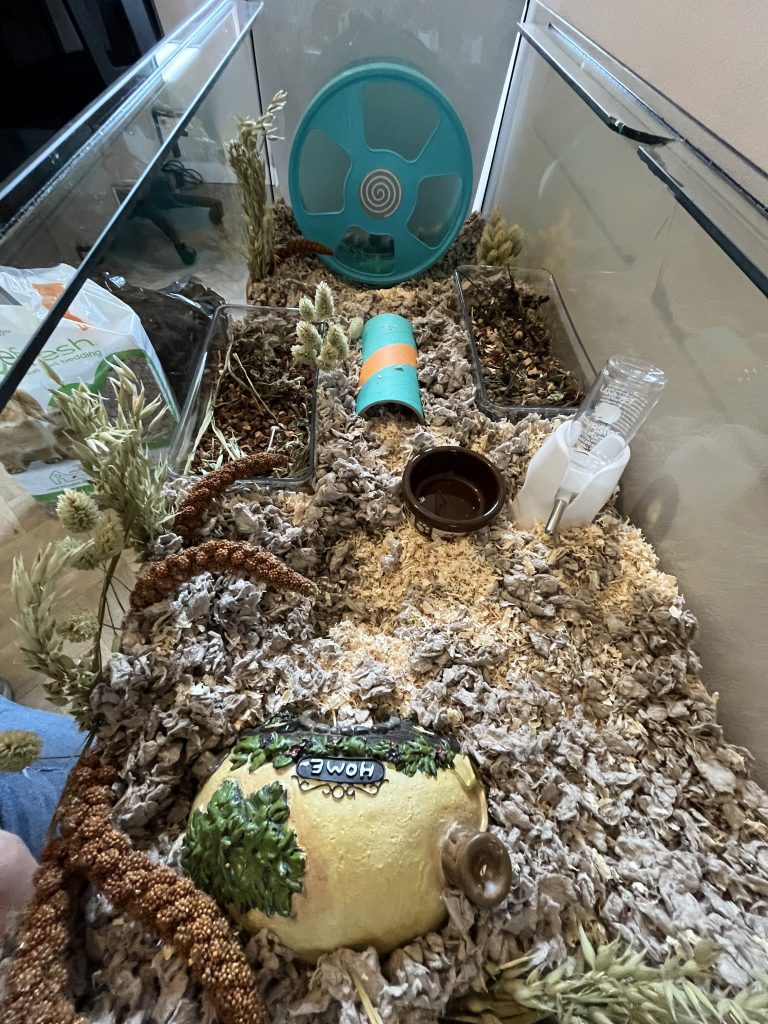
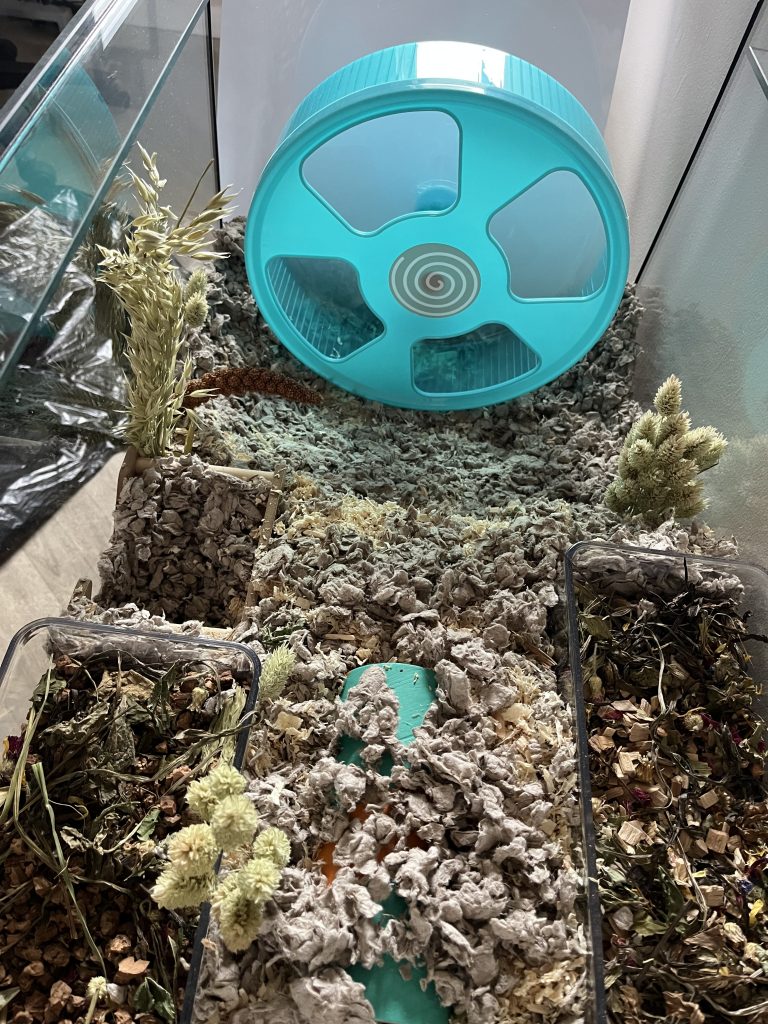
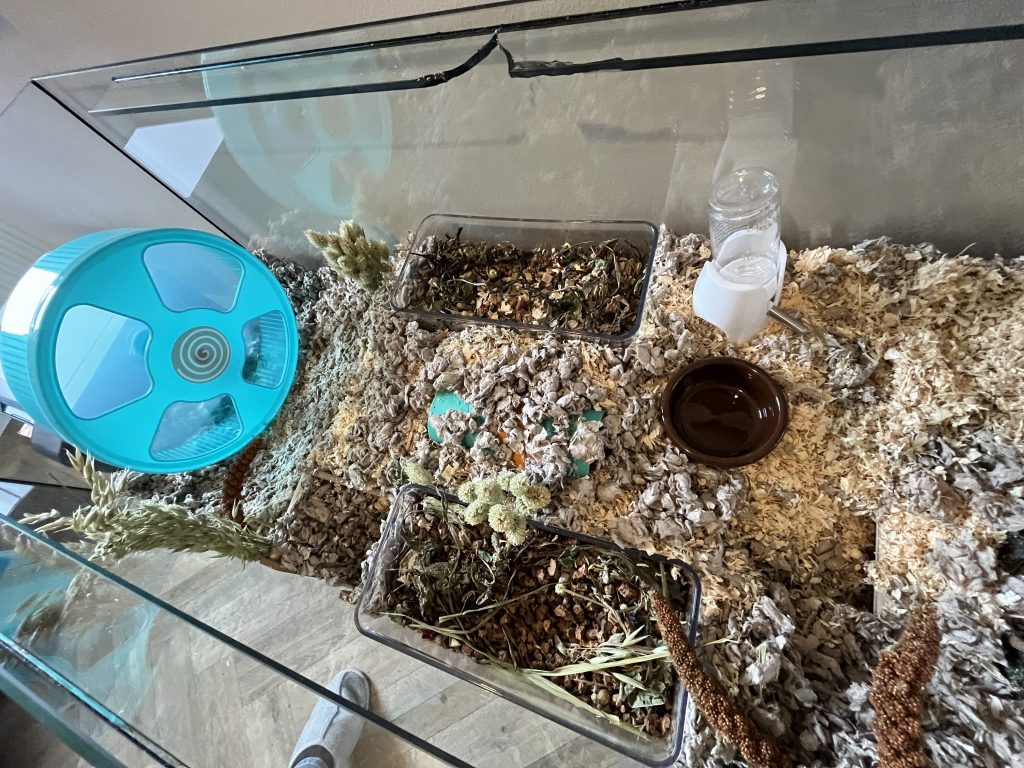
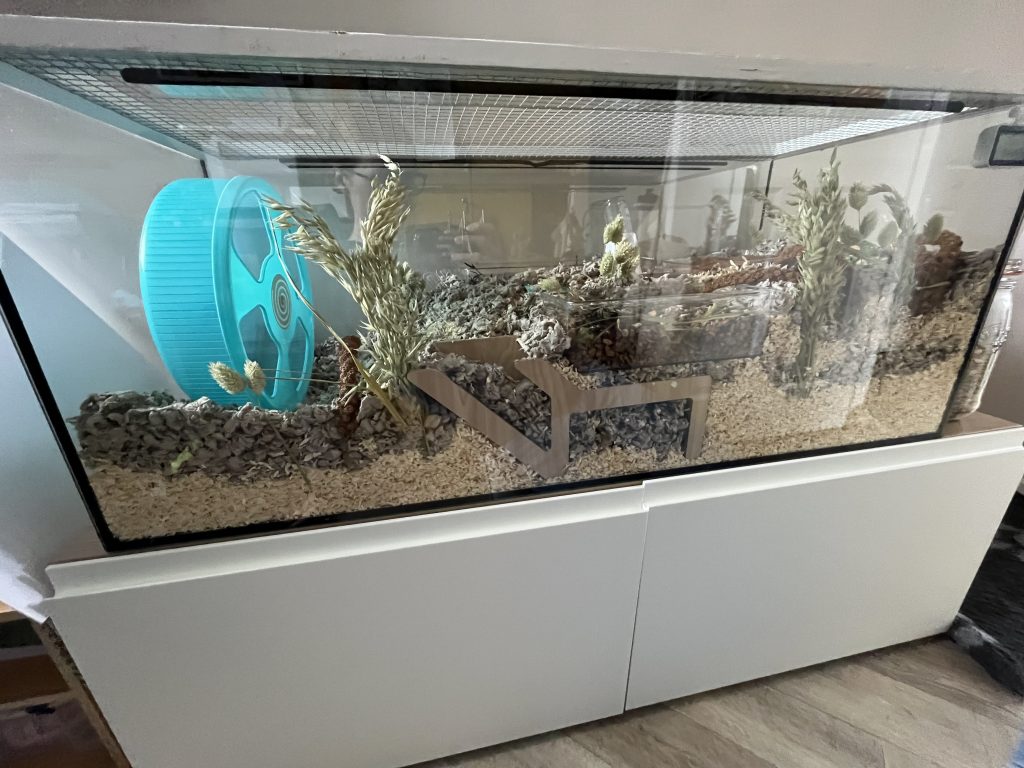
It was actually super rewarding when I finally created the finished enclosure, sent the pictures and measurements off to the RSPCA, and was given the go ahead to rescue little Luna! – She’s been a wonderful addition to the family, I really enjoyed the process of learning about better ethical care, and creating this habitat for her, that goes far above and beyond just a ‘cage’ – I like to think she has a pretty good life here with us!
-
The Guinea Pigs – Autumn and Mabon
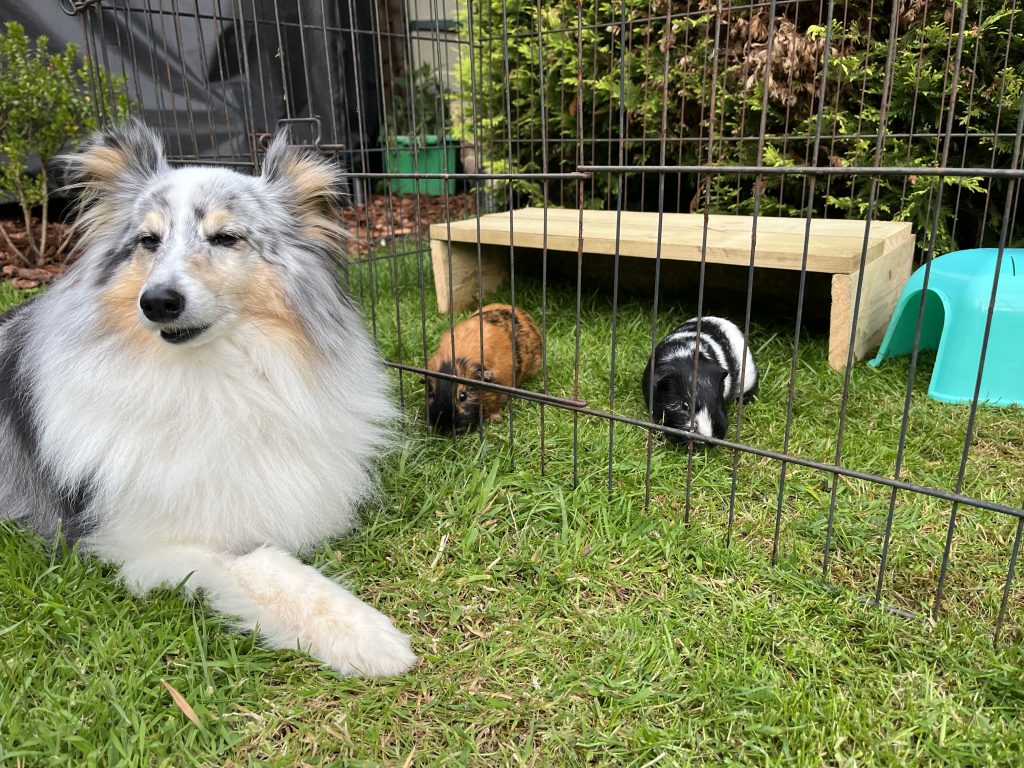
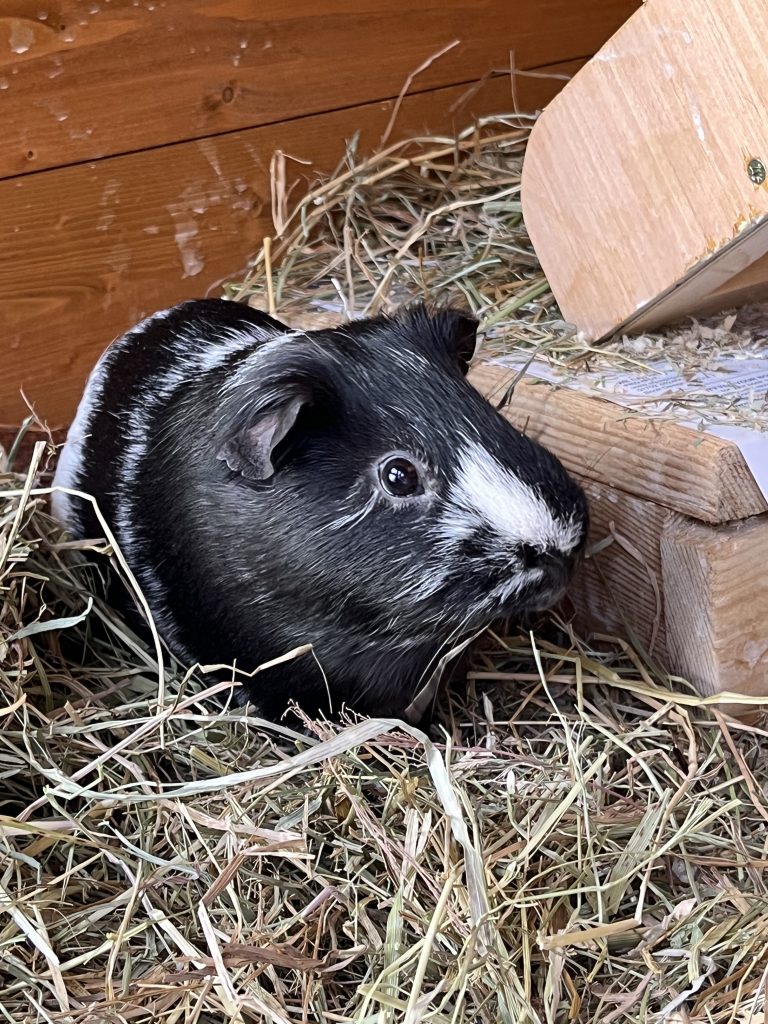
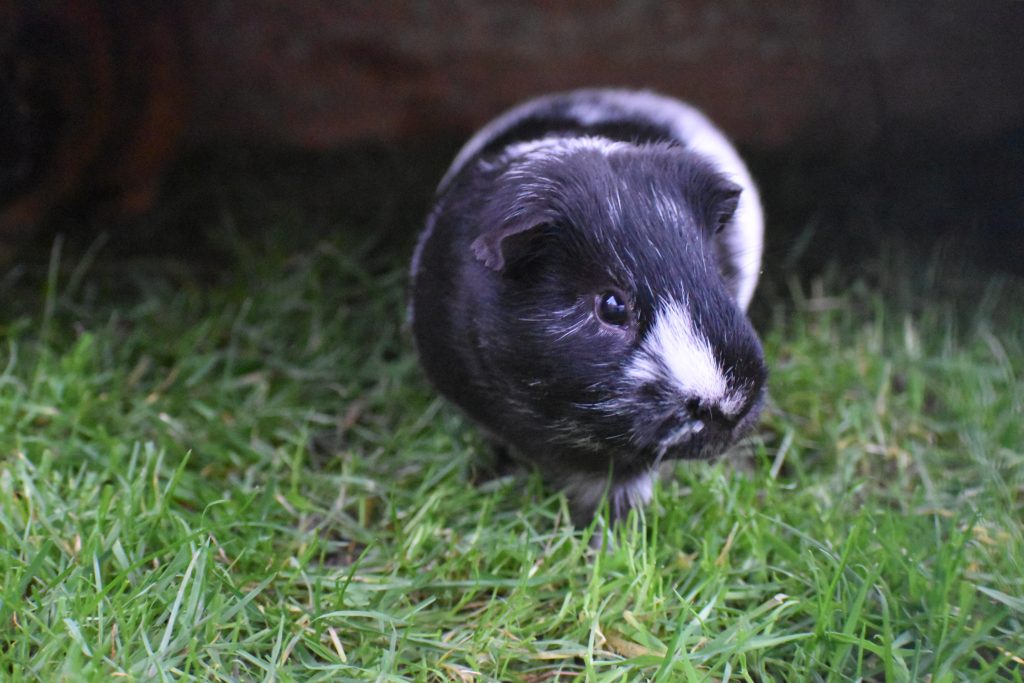
This pet care venture is largely inspired by these two small critters, Autumn and Mabon, my two lovely male guinea pigs who are now nearly four years old.

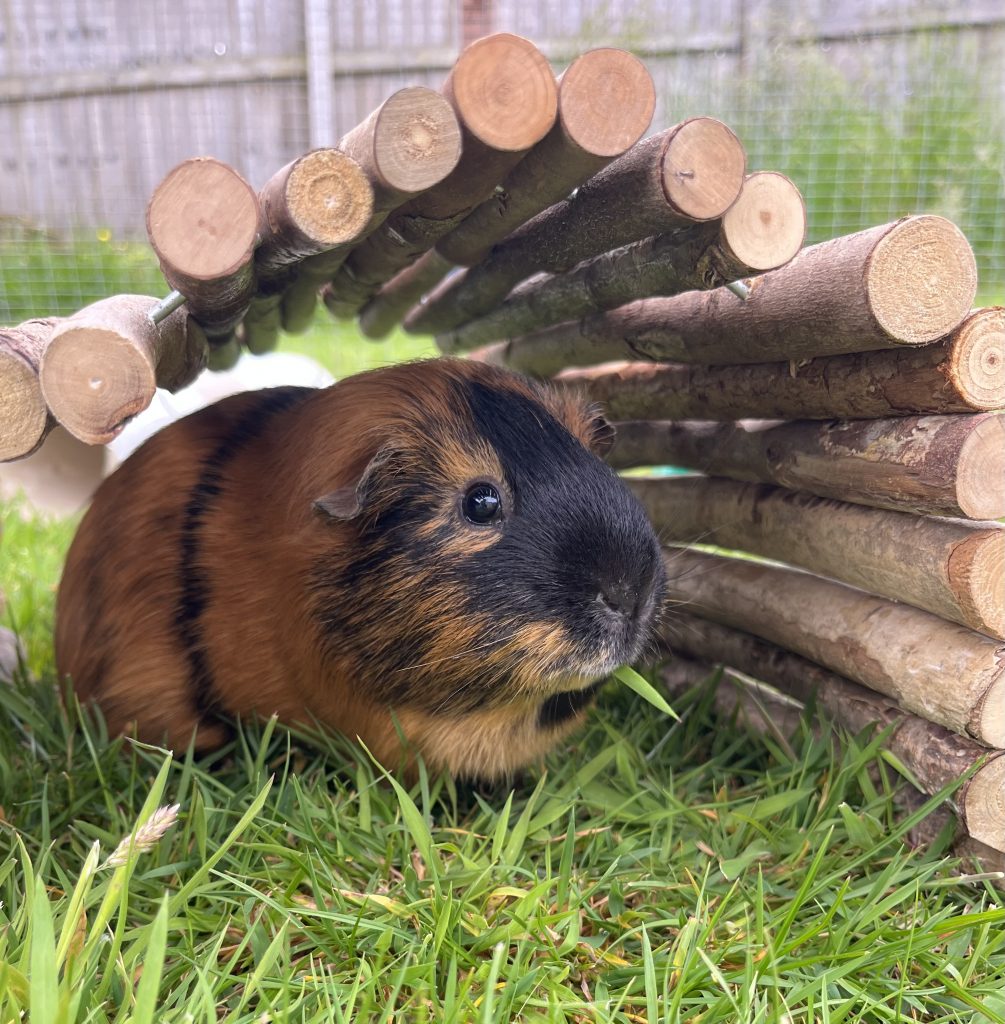
Autumn – our little cowardly but greedy one! 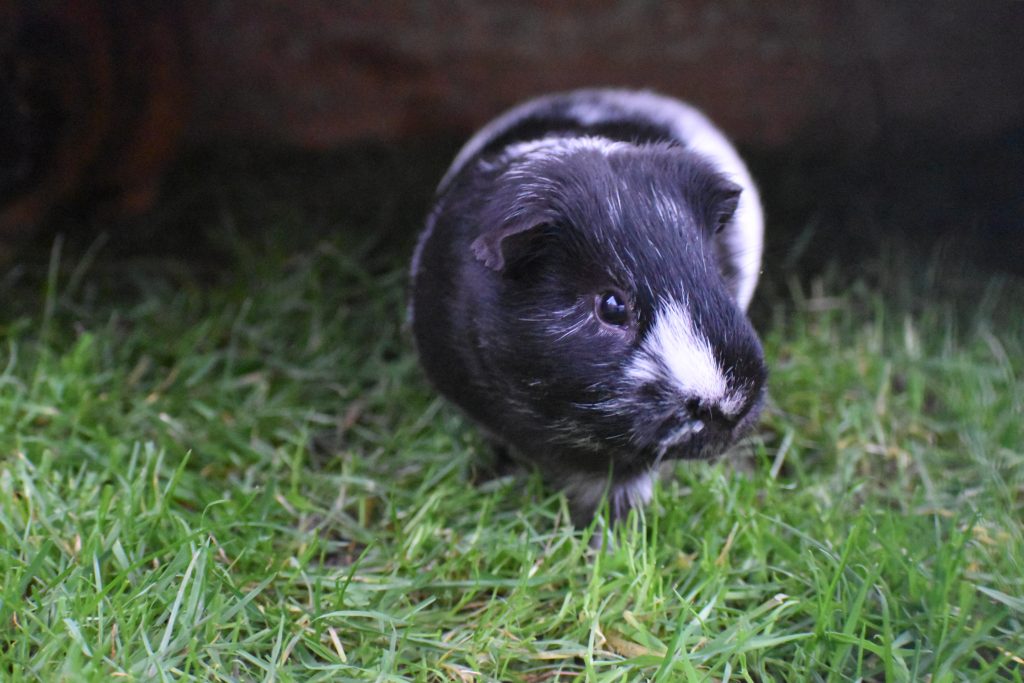
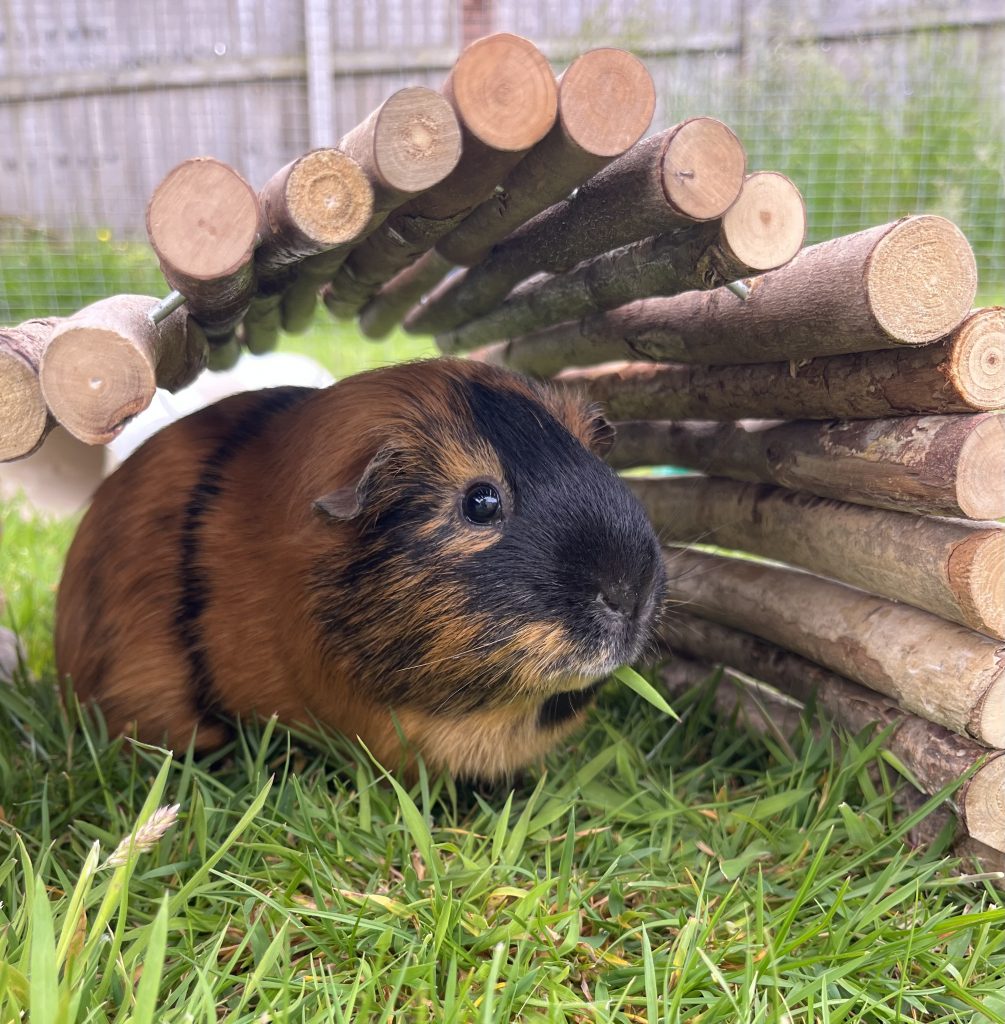
Mabon – the confident and curious one! These boys joined the family on September 21st 2022, the autumn equinox (also known as Mabon) – hence their names!
Previously we had always kept rabbits, but after looking after others’ guinea pigs I became enchanted by their adorable and amusing vocalisations, and so decided to give guinea pig ownership a try. They are funny little characters, and from what I’ve seen, create a lot more mess than my bunnies ever did! But I get so much joy from watching them in their garden run, ambitiously nibbling away at the grass on a sunny afternoon.
Like rabbits, guinea pigs need to be eating nearly constantly, as gut stasis can be very dangerous for them. You will find that these small animals will only stop eating if they are in pain or something is wrong. Therefore it’s important that their food intake is monitored, and that any changes which might indicate an underlying issue are quickly picked up on. This is a good reason to make sure that there is someone available to check on your piggies while you are on holiday.
Rabbits and guinea pigs also have what is known as open-rooted teeth, which means their teeth never stop growing! Therefore providing the correct foods and enrichment is really important, to be sure that their teeth don’t get too long, otherwise it can lead to a variety of painful issues for the animal.
The best way to care for your pets gut and dental health is a high fibre diet. The PDSA recommends feeding unlimited hay & grass, plus a small daily amount of species specific pellets and fresh food – with constant access to plenty of fresh water.
Guinea pigs also have a special trait, in which they cannot produce their own vitamin C levels needed for healthy functioning. Vitamin C is provided in most good pellet foods, and also needs to be given by providing piggies with a variety of fresh vegetables – I wish I could be as joyous about a stick of celery as my boys are!
The PDSA provides a very useful list of which vegetables are safe to feed your guinea pigs, which I often refer to for peace of mind, and to be sure they are getting the correct nutrition: PDSA
I know from experience how important our animal family members become, and I’ve personally found that preparing for a holiday can be hard-work enough, without the added worry of leaving your pets. When I go away, I need to know that my boys will be somewhere familiar, comfortable, and safe, without having to uproot them – and I figured that, as a nation of animal lovers, others around me must feel the same!
This is one of the key factors that led me to start Walkham Valley Pet Care. I have plenty of experience in pet care, including a bachelors degree in Applied Animal Science, and a lifelong love for animals – I’d be honoured to be trusted with your pets while you go on holiday

If you think I could help you, feel free to send an email kat@walkhamvalleypetcare.co.uk or text, call, or WhatsApp on 07359 782141, or check out the website for more information.
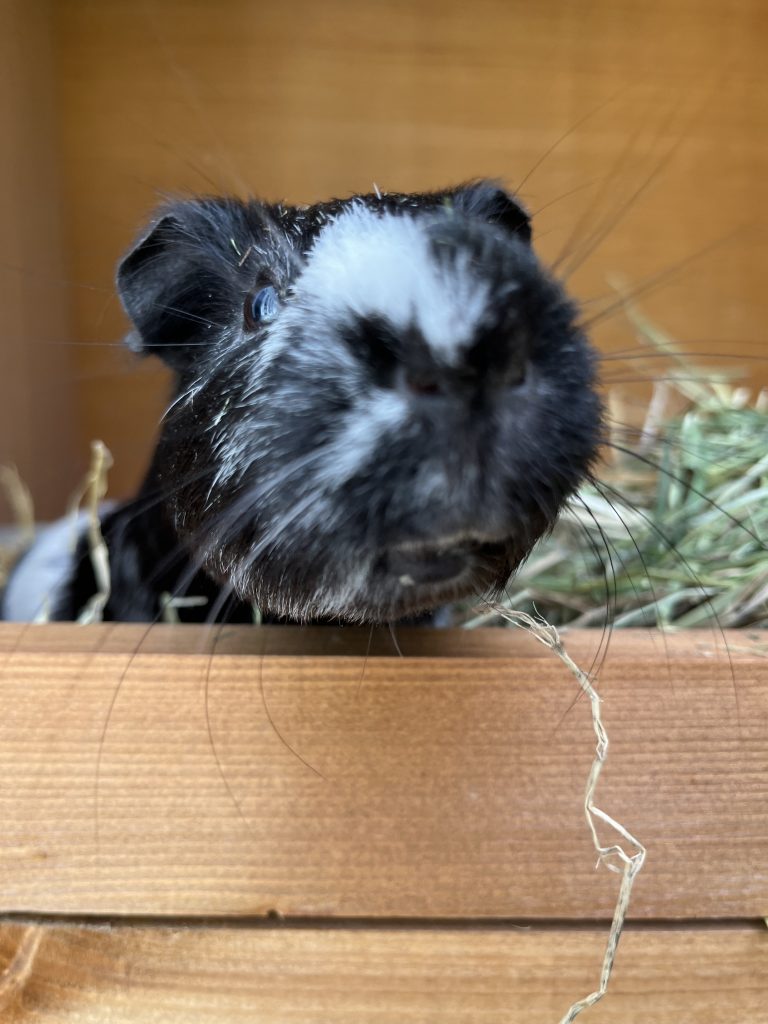
-
Welcome to Walkham Valley Pet Care!
Introducing my independent and personal pet care service Walkham Valley Pet Care
My name is Kat, I have 10+ years of experience in domestic animal care, a Level 2 Apprenticeship in Work Based Animal Care, and a First Class BSc degree in Applied Animal Science. I am passionate about ethical and thoughtful animal welfare, and providing the best service for your pets, as if they were my own.
Summer is coming up, and I would be honoured to look after your pets while you’re on holiday! I’m based in Horrabridge, West Devon, and covering the surrounding areas, focusing on home visits to small animals, including rabbits, guinea pigs, hamsters, cats, birds and more


Feel free to find out more on my website, give me an email: kat@walkhamvalleypetcare.co.uk
Or text, WhatsApp, or call me on: 07359 782141My aim is to provide a reliable and trustworthy service, I am fully insured, and will be sure to send you plenty of pictures and updates of your much loved pets while you are off on your adventures!
I also have a simple pet care agreement form that I can complete with you beforehand, to be certain your pet receives the level of care and attention they are accustomed to – ensuring that you are free to relax and enjoy your holiday.
Please do get in touch to discuss any pet care queries you may have. I look forward to meeting you and your pets soon
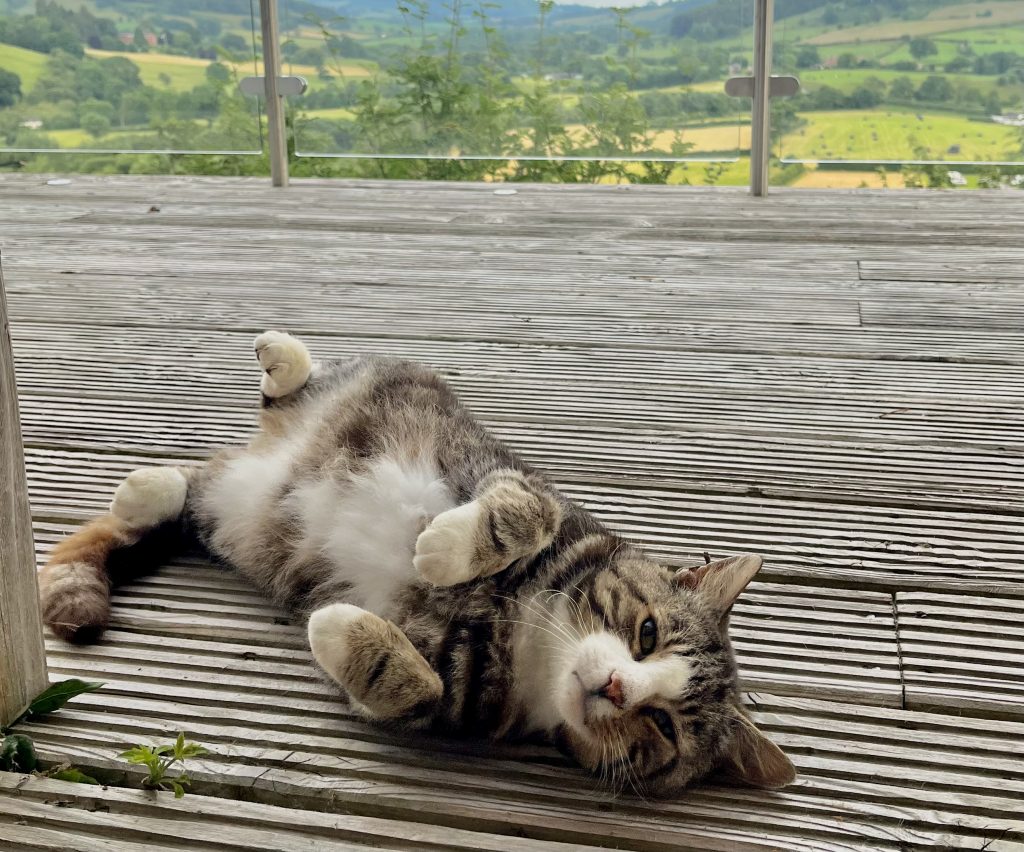
Gallery of happy pets!